
Every day, a lot of the potential customers who are looking for home automation solutions are taking their first step in home automation.
They are professionals from different areas, such as engineering and architecture. They are also starting their first entrepreneurial experience, enthusiastic about their future business opportunities.
Although automation is being sold as innovative technology, many show some uncertainty with their promises.
Which is perfectly understandable.
The world market grows annually by 12.5% and expected to reach 79 billion in 2022. United States alone, plans to dominate the market, owning a total of 20%. However, there is doubt about the estimated audience reach.
The cabling business model of home automation has pushed contributed to the product being seen as a “luxury item”. But, the industry has found a new opportunity with the consolidation of wireless automation .
The wireless automation systems provide installation flexibility to work the integrator. For the customer, the autonomy of the applications, brought more convenience. Less importantly, their increasing popularization does not even cost 1% of the investment in construction of new homes.
We know, that if you’re starting out in the smart home market, you’re still identifying the best solutions on the market.In the same way, price is an essential fact to start investing.
So in this post we will show you great reasons to bet on these solutions and become a system integrator.
- Easy installation and integration
- Economy with air conditioning
- Integration with the security market
- Intelligent lighting control
EASY INSTALLATION AND INTEGRATION

Forget the age of complexity in smart homes!
The cabling automation systems take the merits of performance and network robustness, as well as other unique advantages to these products as:
- Distributed processing, with units executing tasks individually;
- Resistance to lightning and electrical anomalies;
- Dedicated software for application editing and scene management;
- Larger scalability of the system.
However, many of these features are not initially interesting to new professionals. On the contrary, they are elements that can hinder your sales.
First, wireless automation allows integrators to focus exclusively on installation and less on customizing systems and interfaces.
Unlike the high end market, wireless automation solutions are mostly decentralized in processing and have pre-fabricated applications. Because of this, they are more basic solutions, but ideal for the first-time consumer.
This also favors your service proposal as it makes the installation faster and cheaper to the end customer. The product is easier to install, has greater usability and acceptance in the market.
Second, spending on infrastructure is virtually zero.
All the system needs is a well-functioning Wi-Fi internet bandwidth network. Through plug and play exchanges – used for the integration of devices and interfaces –
This enables the manual integration of peripherals and the sending of data between wireless automation peripherals (sensors, modules, switches) and central.
In addition to this feature, other solutions provide integration via QR code, which individually identifies each device in the application. The integrator – or the user – will only need to recognize it in its reader and enable it for operation.
From these techniques, wireless automation will have all the potential of control and comfort offered to the user.
ECONOMY WITH AIR CONDITIONING
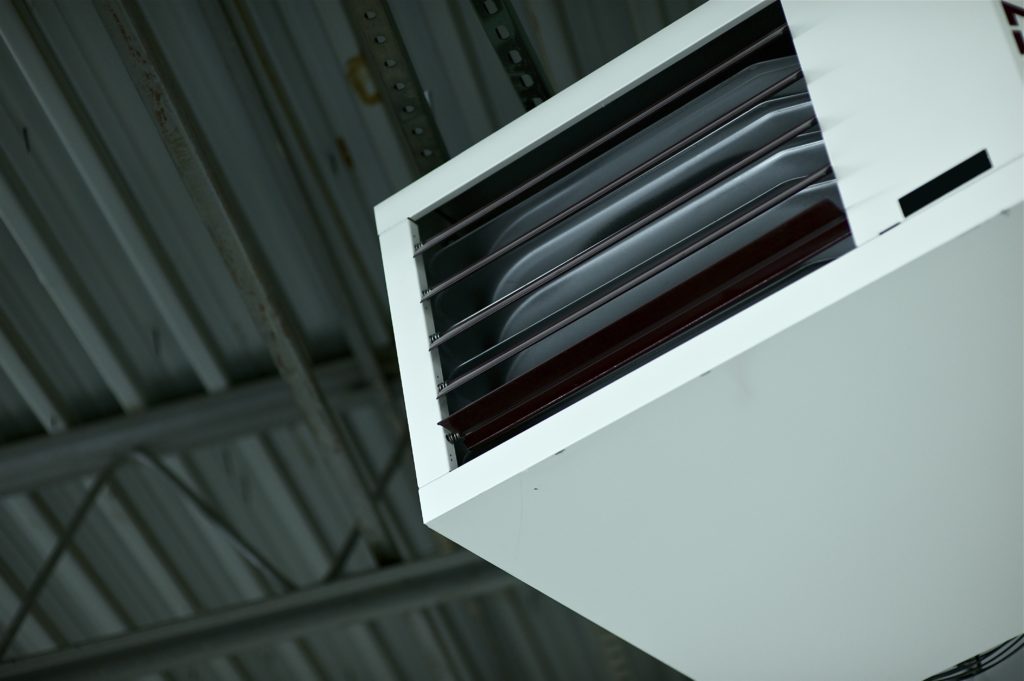
The control of air conditioning by wireless automation is a great resource from a technical and commercial point of view.
Why do we point this out?
This technique makes your projects truly sustainable, exploits the power of wireless automation and expands your marketplace.
Consumption with air conditioning is one of the villains in national energy expenditure. It is estimated that only air conditioning systems account for 29 billion dollars spent in US.
There is demand for energy efficiency, which brings a great opportunity for the sale of wireless automation.
By making your home automated, a user becomes able to control any air-conditioning at home, remotely. You only have access the internet to turn off any device you forgot to turn off at home via a phone app.
In this regard, wireless automation systems become an interesting business for integrators and customers.
For low cost of acquisition, the consumer will transform his property into an intelligent energy management system. By means of peripherals installed next to the devices, all lighting, audio and video and motorized curtains will have sustainable consumption.
In the long run, the return on this investment will be evident – an estimated energy savings of up to 7%!
On the integrator’s side, the installation of wireless systems becomes profitable and a scalable sale. That is, the greater the demand for integration, the greater will be its aggregate sale and its profit.
Most interestingly is that these services are exploited more, especially for corporate rooms with high costs in air conditioning . With multiple environments and even larger extensions, keep an eye on project opportunities in this industry.
INTEGRATION WITH THE SECURITY MARKET
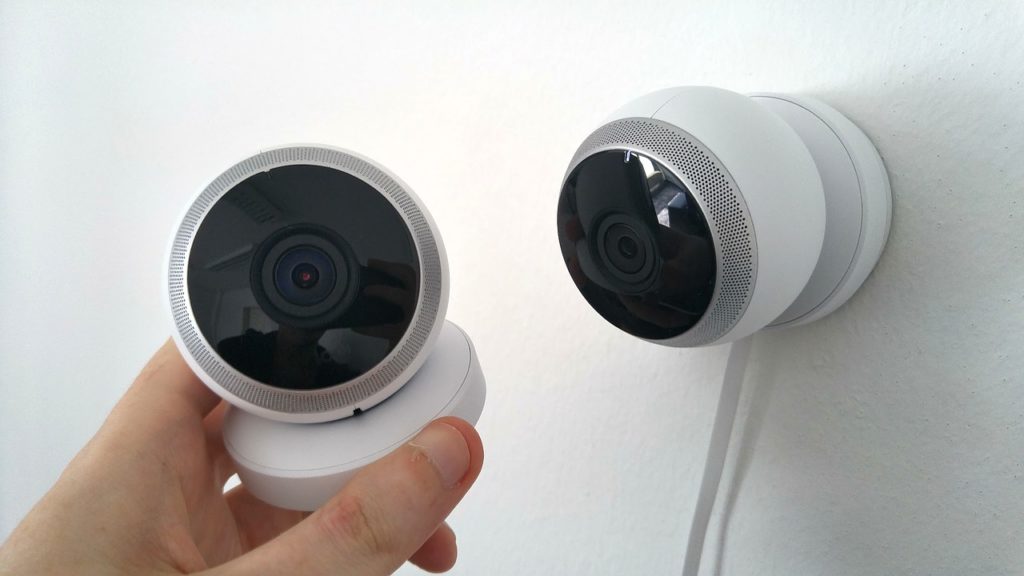
For installers, there are several types of business models in the scenario. The main ones are companies specialized in installation, support and paid monitoring. With higher cost, they offer full service and have several representatives.
On the other hand, there are manufacturers and installers of stand-alone products. Although they are intelligent, most of these wireless automations are basically systems restricted to the few security features, which makes the players little differentiated.
At this point, we emphasize that by its added value, wireless automation can be a great differential for new integrators.
Today, the best wireless automation systems offer features compatible with those more advanced, at low cost.
- Easy installation of equipment and devices by IP method and protocols;
- Integration with camera systems, access interfaces and door sensors;
- Status monitoring by applications and real-time notifications.
Ideal for security customers and for beginners in automation!
In addition, it is worth remembering all the economic benefits that only an automated residence offers. Besides personalizing the consumption individually by scenes, it is possible to “simulate presence at home”, mitigating intrusions and break-ins.
.
INTELLIGENT LIGHTING CONTROL

Wireless automation enables the integrator to build fast installation projects with similar quality to high end solutions .
The wired automation has more devices available, greater resistance to electrical anomalies and systems of power supply ( nobreak ). However, they do not include addressing modules and for the operation of dry loads, the relays.
All of these processes require qualified training for integration, which varies from manufacturer to manufacturer.
Wireless or hybrid automation systems centralize installation and maintenance, streamlining the process to the new integrator. You will not need in-depth technical knowledge. You will dentify possible faults more easily, and dispense devices that make your product more expensive.
That’s right, no individual addressing and relay devices!
Wireless automation solutions enable dimmer load control with built-in actuators and micromodules. Simply plug the central automation into the socket, devices and register them to the application via Wi-Fi and other technologies – like the QR code.
The whole process requires few adaptations in the walls of the property, as it needs the installation of dimmers directly to the switch.
Several brands provide or have compatibility with other peripherals that improve wireless lighting control , such as LED drivers and sensors.
These features give a wide range of customization to professional designers such as architects and interior designers. With dimerization integrated to climate control systems and curtains , what about creating an environment that responds to external lighting?
With the use of wireless automation this will be possible, in addition to making your lighting projects with consumption and intensity diversified for each home environment.
WIRELESS, A MORE NATURAL HOME
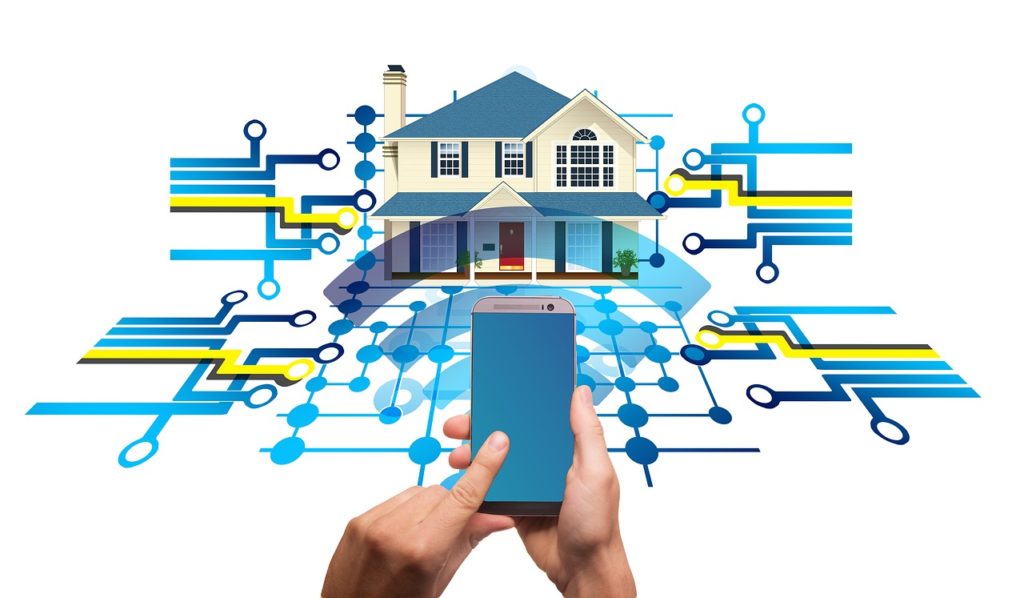
We have no doubt that wireless automation will be the future of home automation. It is significant that hybrid systems, along with this trend, have gained increasing space in high-end automation solutions .
Being completely wireless, these products change the user’s relationship with the technology within the environment or their automated residence. Now the solutions are more ubiquitous, natural to use and accessible to the consumer with any level of difficulty.
And all the innovation of wireless systems does not stop here.
Your wireless automation projects will be more attractive to the customer, if your proposal offers the best consumer experience. For this, you will need the solutions with the best wireless automation interfaces available and complete solutions.
Did you like this post? Sign up now in the newsletter to receive updates in your email box and share on your social networks!